Water and wastewater management facilities are under increasing pressure to reduce operational costs and environmental impact while maintaining high-quality performance. Water and wastewater management facilities have a big job: keeping things flowing smoothly while cutting costs, saving energy, and meeting strict environmental standards.
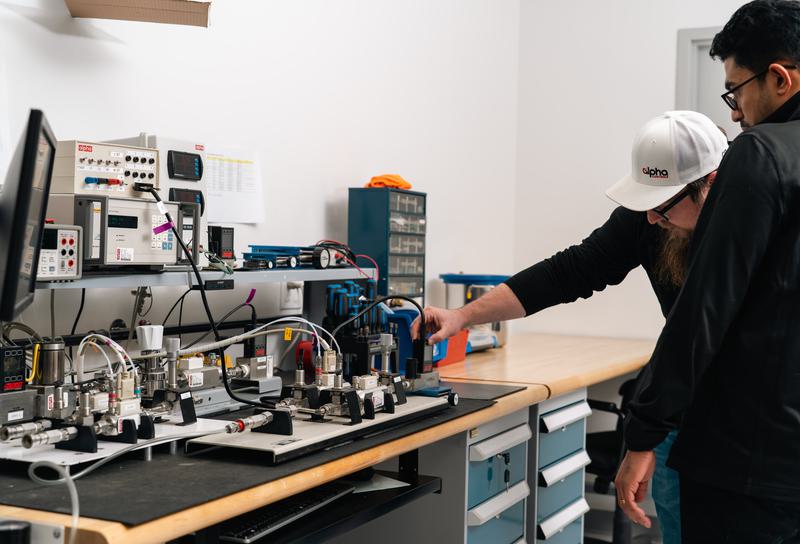
One of the easiest ways to boost efficiency and stay compliant is by keeping your instrumentation calibrated and in check.
In this blog, we’ll dive into how regular calibration can supercharge energy efficiency, save you money, and help your facility run like a dream.
1. Why Calibration Is a Big Deal
But when they’re off?
• More Energy Use: Pumps work harder than they should.
• Wasted Resources: Extra chemicals or water go down the drain (literally).
• Compliance Headaches: Regulatory agencies aren’t thrilled when your numbers don’t add up.
Calibration ensures your equipment is giving you reliable data, so you’re not throwing time, energy, and money down the pipeline.
2. Energy Efficiency Through Accurate Calibration
Want to trim your energy bills and keep operations smooth?
Calibration to the rescue!
• Optimizing Pump Performance:
Calibrating
flow meters ensures pumps are operating efficiently, avoiding energy wastage due to under- or over-pumping.
• Reducing Chemical Overuse:
Accurately calibrated dosing equipment prevents the unnecessary addition of chemicals, which not only reduces costs but also minimizes the energy required for additional processing.
• Maximizing Aeration Systems:
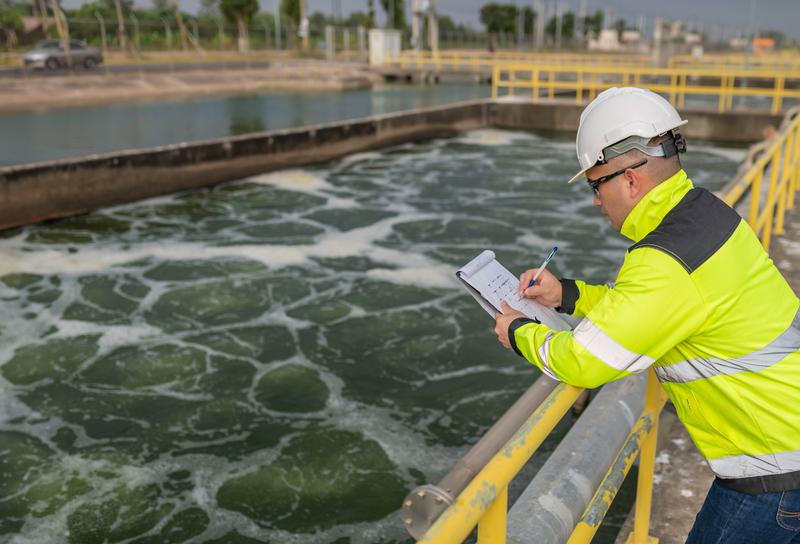
Aeration tanks are big energy consumers. Oxygen sensors used in aeration tanks must be calibrated to avoid over-aeration, which is a major energy drain.
4. Establishing a Calibration Schedule
When it comes to
calibration, “set it and forget it” isn’t a thing.
• Frequency Recommendations:
Factors like equipment type, usage frequency, and environmental conditions (yes, environment matters!) determine how often calibration should be performed.
• Remote Monitoring Integration:
Using IoT-enabled calibration tools to track real-time data and alert teams when recalibration is needed. Think of it as having a friendly reminder system for your equipment.
5. The Environmental Benefits of Calibration
It’s not just about saving money—
calibration is good for the environment too.
• Minimizing Wastewater Discharge:
Proper calibration reduces the risk of improperly treated water being released into the environment.
• Lowering Carbon Footprint:
Accurate instrumentation directly leads to energy efficiency, which reduces greenhouse gas emissions associated with energy production. It’s a win-win for your facility and the planet.
Regular calibration of instrumentation in water and wastewater management is not just about compliance—it’s about optimizing processes, saving energy, and contributing to a sustainable future. By investing in calibration services, facilities can significantly reduce their energy consumption, lower operational costs, and meet environmental targets.
Would you like to add more data points, such as specific instruments used in these processes, or discuss
calibration services our company provides? We’ve got the tools, expertise, and team to help you hit your goals.
Let’s make 2025 the year of smarter, more efficient operations!