Press Enter

Let’s face the hard facts - your measuring instruments lose effectiveness over time. It can sometimes happen very quickly, or depending on the type of instrument and how it is being used, it may take a longer period of time.

The last thing you want is instrument error - your equipment falling out of spec, giving you inaccurate measurements and ultimately impacting the quality, posing safety hazards, and affecting the longevity of your instrument.

You need to have confidence that your instruments are operating optimally by providing the measurement results you expect.

If that alone doesn’t convince you that calibration is important, here are 10 reasons why it’s crucial:


1. Accuracy Confidence

It is imperative that your instruments provide accurate measurements. Wear & tear, environmental conditions, or aging are all factors as to why your instruments may drift. Getting your equipment calibrated regularly will identify any deviations in the reading, fix any of those inaccuracies and verify it is operating within acceptable tolerances.

5keystocalibrationimage1
Regulatorycompliance

2. Meet Regulatory Compliance

In some industries, there are regulations and standards that require the use of calibrated instruments in order to comply. And we all know there is a penalty for non-compliance. Whether it’s a fine, shutting down your business or plant, or worse. Having your instruments calibrated by a lab that is accredited to ISO/IEC 17025 will ensure your equipment is accurate and traceable to national standards.

3. Maintain Reliability

By calibrating your instruments regularly, you can ensure they are providing you with reliable and trustworthy results.

Reliability
Downtime

4. Avoid Unexpected Downtime

A malfunctioning instrument may disrupt the measurement process. Calibrating your equipment regularly will identify warning signs and allow you to resolve the issues before they cause further damage or a total breakdown of your instrument, resulting in unscheduled downtime.

5. Instrument Longevity

There is no better way to extend the lifespan of an instrument than having it calibrated regularly. In doing so, it will identify and address any wear & tear or damage, and potential issues before it’s too late.

Longevity
Cost management

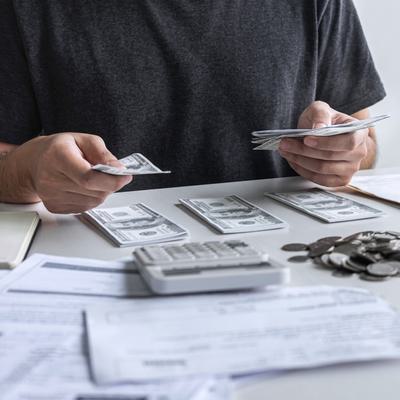
6. Cost Management

While calibration may seem like an additional cost, those costs are minimal in comparison to what they could be for damages caused by using a malfunctioning instrument.  Calibration will help reduce the likelihood of errors, preventing those costly mistakes and minimize product recalls or rework.

7. Ensure Safety

The safety of your personnel & customers is your #1 priority. Failure to calibrate your equipment could have a significant impact on their safety and/or result in injury. Identify potential safety hazards by calibrating your instruments regularly so they can be used safely.

Safety First
Quality control

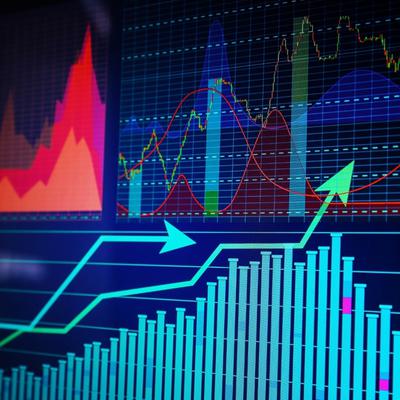
8. Improve Quality Control

Without regular calibration, you are running the risk of having significant negative impacts to your business. Deviations in measurements could compromise product quality.  Calibration plays a vital role in identifying potential issues early, and allowing corrective action to be taken before any damage occurs.

9. Customer Confidence

Calibrating your instruments demonstrates commitment to quality and professionalism, improves your reputation, and enhances customer trust and satisfaction. 

Happy customer
Traceability

10. Traceability

Calibration establishes a traceable history of measurements, allowing users to track the instrument’s performance over time and verity its reliability.

Safety, Quality, and Peace of Mind

Calibrations should always be done by an accredited laboratory to not only give you peace of mind, but to ensure you are maintaining quality, safety, and complying with regulations. Calibrate your instruments regularly and be confident in the measurements.

It’s not just good practice, but a necessity to ensure accuracy, consistency, safety, and compliance in various industries and applications.