Press Enter

Autoclaves are used in various settings including hospitals, research labs, and manufacturing facilities to sterilize equipment, instruments, and other items. It is essential to validate autoclaves regularly to ensure that they are functioning correctly and can effectively sterilize items. 

Here are five things to consider when validating an autoclave:

1. Temperature and Pressure

Temperature and pressure are two critical parameters for effective sterilization. During the validation process, calibratedthermometers and pressure gauges should be used to measure temperature and pressure inside the autoclave. The temperature should reach the appropriate level to kill any microorganisms present in the load, and the pressure should be maintained at the proper level for the entire sterilization cycle.

Temp and pressure

2. Cycle Time

The cycle time of the autoclave should be measured to ensure that it is appropriate for the items being sterilized. The cycle time includes the heating up, sterilization, and cooling down phases of the autoclave. The manufacturer's recommended cycle time should be compared to the actual time taken for the entire cycle to ensure it is within the acceptable range. It is important to note that different items may require different cycle times, and thus it is crucial to follow the manufacturer's guidelines.

Cycletime

3. Load Configuration

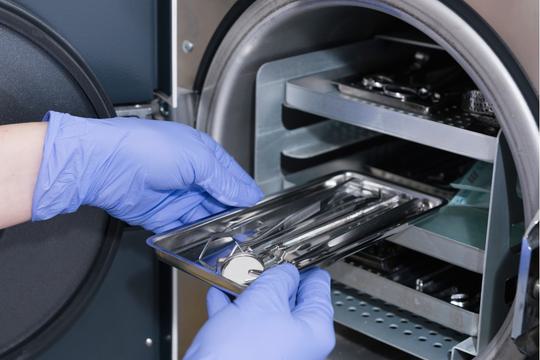
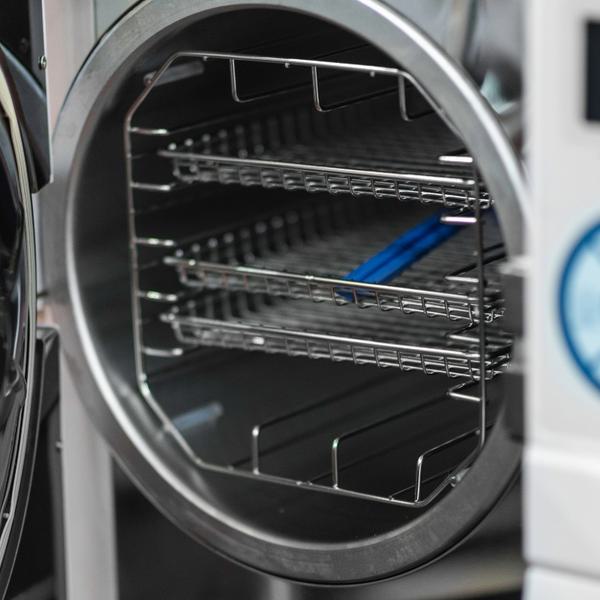
The load configuration inside the autoclave can affect the sterilization process. To validate the autoclave, different load configurations should be tested to ensure that all items receive adequate sterilization. This may include positioning items differently and using different types of packaging to ensure the steam penetrates all areas of the load.

Autoclaveloadconfig

4. Biological Indicators

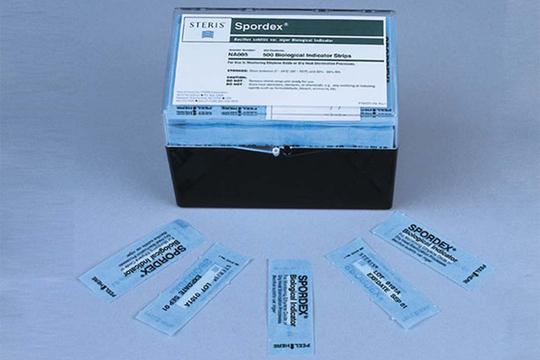
Biological indicators are used to validate the effectiveness of the autoclave. Spore strips, which are placed in different locations within the load, are the most commonly used type of biological indicator. The spore strips are then incubated to determine if any viable spores survived the sterilization process. If the spore strips are not killed, it indicates that the cycle time you are trying to validate may need to be adjusted.

Spore strips

5. Documentation

Documentation is a crucial part of the validation process. All validation activities should be properly documented, including the results of temperature and pressure measurements, cycle time, load configurations, and biological indicator tests. This documentation is important for compliance and for future reference when revalidating the autoclave. It is also recommended to have a standard operating procedure (SOP) in place for validating the autoclave, which includes the steps to be taken and the frequency of validation.

Documentation

Autoclave Validation Made Simple

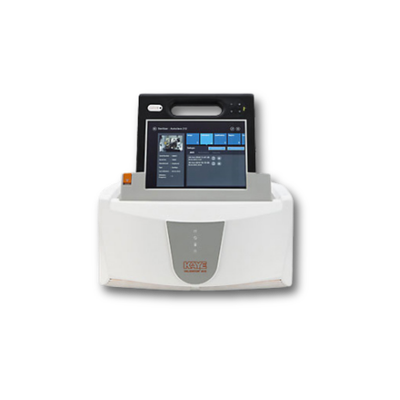
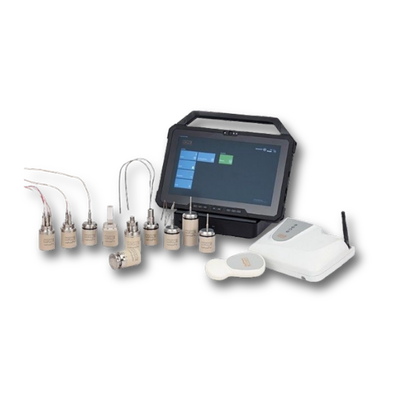
Validating an autoclave is an essential process to ensure that it can effectively sterilize items. The Kaye Validator AVS and ValProbe RT are ideal products for validating an autoclave. 

Alternatively, you can contact us to learn more about our validation services or request a quote below.

Avs
Valprobe